Designer Nina Magon is making a pitch that sounds simple and is quietly radical: wellness retreats belong inside the home, not parked on the amenity floor. That's the thrust of a recent Forbes profile, which describes a designer whose career has been built on taking risks and constant evolution, and who now intends to be the one building this version of home.
The framing in Forbes is that true wellness should be woven into everyday residential living rather than relegated to a luxury shared space. Magon, per the outlet, is positioning herself to lead that shift.
The Amenity Floor Problem
You know the amenity floor, even if you've never been on one. It's the place in a luxury building where the spa, the gym, and the serene lounge live, a short elevator ride from where you actually spend your life. The implication of Magon's argument, as Forbes relays it, is that wellness has been treated as a destination you go to rather than a condition you live in.
It's hard not to see the logic. A relaxation space that requires you to put on shoes, ride an elevator, and possibly book a slot is, let's say, a bit of a commitment for something meant to lower your stress. (That's our read, not Magon's.)
Why the Timing Makes Sense
Per the reporting, the context is a post-pandemic market where homeowners are investing heavily in personal wellness spaces and putting mental health at the center of how their living environments are planned. The category is described as a booming segment that's moving beyond the basic gym room.
That last part is the interesting bit. The spare-bedroom treadmill, long a symbol of good intentions, is apparently getting a promotion. The pitch now is a fuller, retreat-style experience rather than a corner where a stationary bike collects laundry.
What "Retreat at Home" Could Look Like for the Rest of Us
Forbes' piece centers on Magon's philosophy rather than a shopping list, so take the following as our own translation for everyday living, not her specifications.
Start with the room, not the equipment
If the shift is from gym room to retreat, the first question is what the space is for. Rest? Quiet? Movement? Deciding that before buying anything is the cheapest design move there is.
Give wellness a permanent address
The whole argument against the amenity floor is distance. Even in a small home, a dedicated corner that's always set up, with no assembly required, beats a fancy setup you have to travel to.
Scale it to the square footage
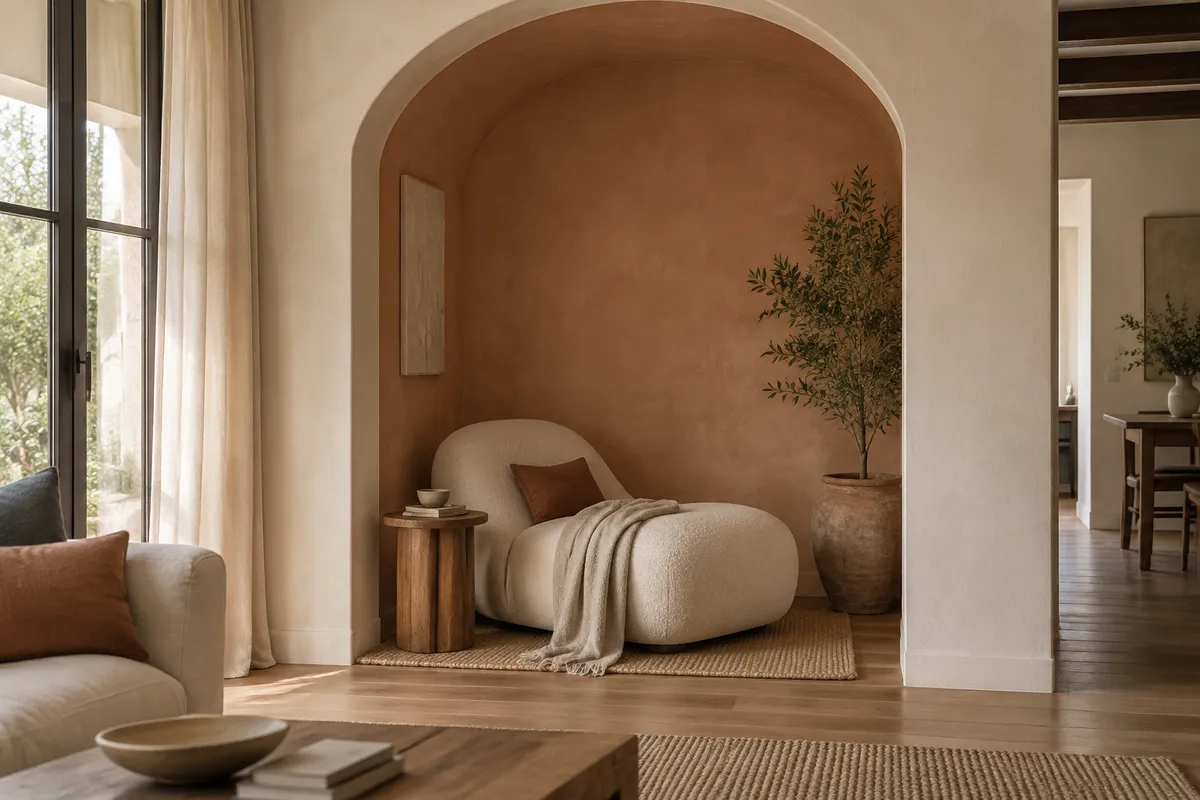
The retreat idea doesn't require a mansion. One protected nook with a considered purpose captures the spirit: wellness integrated into daily life instead of scheduled around it.
The Take
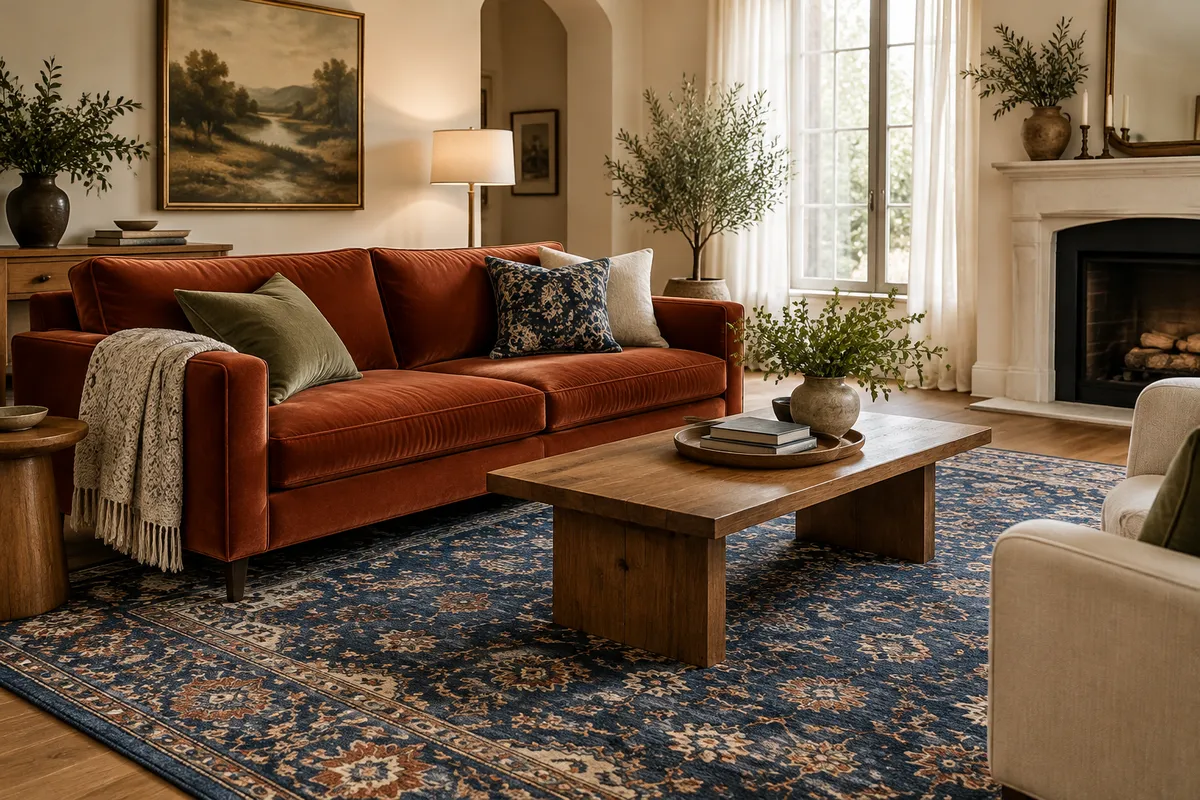
There's a democratizing streak in this idea, even if Magon's world is the high-end one. When designers of luxury spaces decide the best wellness feature is the one inside your own front door, the aspiration trickles down: a spa-adjacent feeling is something you can borrow with a good chair, soft lighting, and a door that closes.
And there's a nice irony in it. The luxury building spent years selling residents a wellness floor. The new flex, apparently, is not needing to leave the apartment.
Whether Magon's approach will reshape how homes get built is something only her projects will answer. But the underlying question is a good one to ask of any space you live in: if relaxing requires an elevator, is it really part of your life?