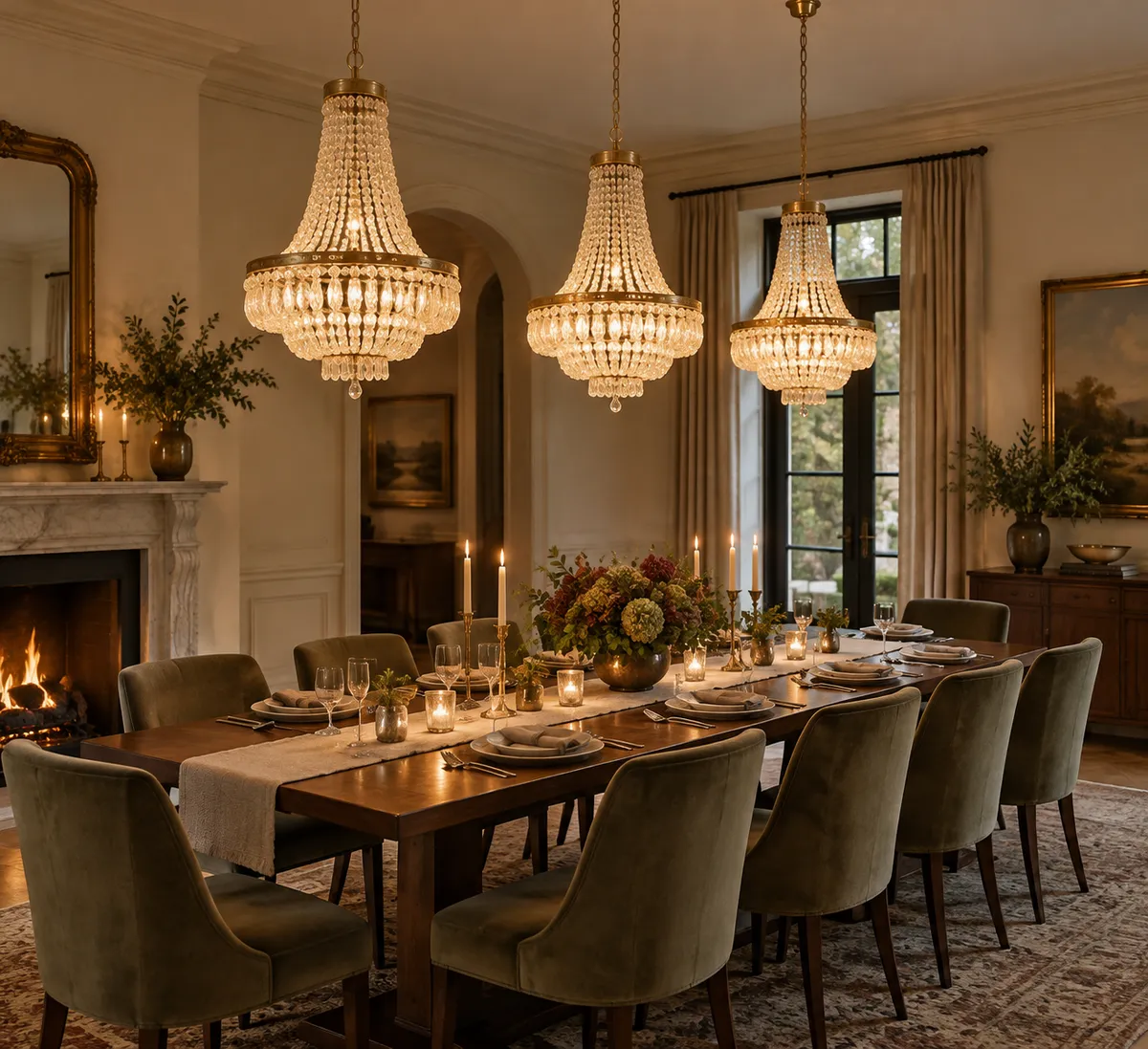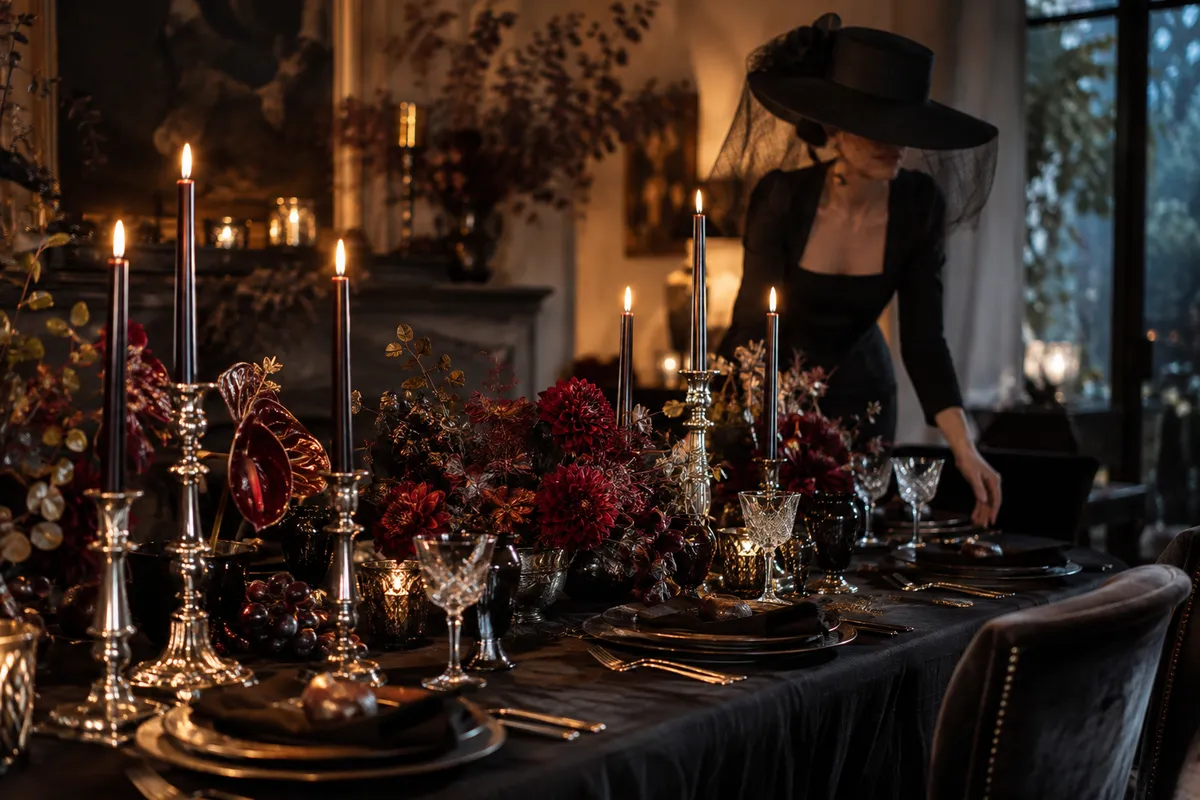
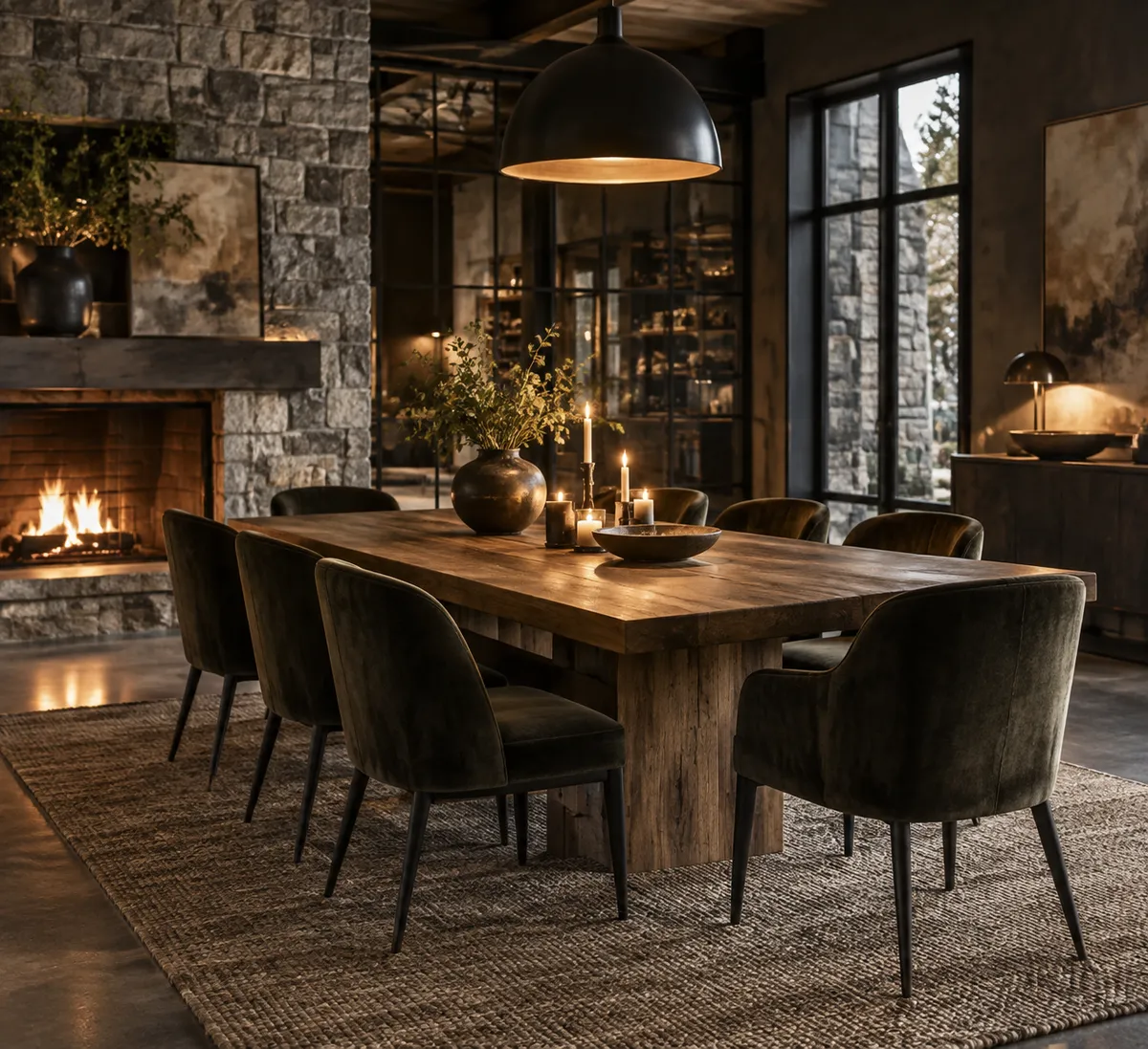
Jennifer Aniston's Beverly Hills dining room has become a case study in making industrial design feel warm. Per Homes & Gardens, the room, designed by Stephen Shadley, pairs exposed bulbs and sleek windows with natural materials, and the result is described as cocooning rather than cold. Its takeaway is that industrial interiors can be softened with wood, stone, rugs, velvet, candles and warm lighting.
That is a useful lesson right now. As fall approaches, 2026 design is drifting away from cool, polished minimalism and toward interiors that feel cozy, textured and lived-in. The Aniston dining room is a tidy example of that shift, and it shows you don't need a renovation to borrow the idea.
The Problem With Raw Industrial
Industrial style runs on hard surfaces: metal, glass, concrete, bare bulbs. Those materials look sharp in photos, but they can feel like a lobby after hours when you're trying to eat dinner. The Homes & Gardens piece uses Aniston's room to show the fix is not to ditch the industrial elements. It is to balance them.
It's hard not to see the logic here. Exposed bulbs and sleek windows give the room its architectural edge, and the natural materials give people a reason to linger. The edge stays, and the chill goes.
The Warm-Up Toolkit
The article points to a handful of materials that do the softening work. Here is how to read each one as a practical move (the interpretation is ours, the list is theirs).
Wood
Wood is the most obvious counterweight to metal and glass. A wood dining table or a set of wooden chairs brings grain and a little imperfection to a room full of straight lines. If a new table isn't in the budget, wooden bowls, boards or a bench can start the same conversation.
Stone
Stone adds weight and a natural, earthy feel without the sterility of poured concrete. Think a stone tray, a marble-topped piece or a chunky stone accent on the table. It is still a hard material, but it reads organic rather than manufactured.
Rugs
Hard floors and echoing rooms are the fast track to a cold dining space. A rug underfoot is the quickest way to absorb that. It also visually anchors the table and chairs so the room feels deliberately composed.
Velvet
Velvet is the textural plot twist against all that metal. Per the Homes & Gardens roundup of warming materials, it belongs in the mix, and the easiest entry point is small: chair cushions, a throw or curtains, rather than a full upholstery project.
Candles and warm lighting
Exposed bulbs are a signature of the industrial look, and Aniston's room keeps them. The warmth comes from how the lighting is handled and from candles that add a flickering, low-level glow. Our read: swap harsh bulbs for warm-toned ones and put candles on the table, and you've changed the mood of the room for very little money.
A Budget-Friendly Version
Nothing in the article suggests you need Beverly Hills square footage or a celebrity-designer retainer to apply the principle. Here is how we'd translate it, as suggestions rather than anything Homes & Gardens prescribes.
- Start with light. Warm bulbs and a few candles are the cheapest, fastest change.
- Add one soft layer. A rug or velvet cushions bring in texture without disturbing the bones of the room.
- Bring in one natural material. Wood or stone accents on the table do the job of balancing glass and metal.
- Keep the industrial bits. The exposed bulbs and sleek windows are part of the point. You're softening the look, not erasing it.
Why Celebrity Rooms Keep Working as Blueprints
Celebrity homes continue to drive decorating inspiration because they make a style feel attainable once someone recognizable is living in it. Aniston's dining room is a good example: it takes a look that can feel austere and shows it as a place where you could actually have dinner. Stephen Shadley's design is what makes the case, and the lesson travels well to ordinary rooms.
The best part is that the formula is not complicated. Hard materials get a counterweight in soft ones, and bright, bare light gets a warmer glow. It's a recipe fans of cozy fall interiors can follow without a contractor.
The Takeaway
Industrial design doesn't have to be cold. If a room full of metal and glass can feel like a cocoon in Beverly Hills, your dining nook can handle a rug, a candle and a little velvet. Start with the lighting, and let the rest of the room catch up.